
Championing Neurodiversity: Practical Steps for Autism Acceptance
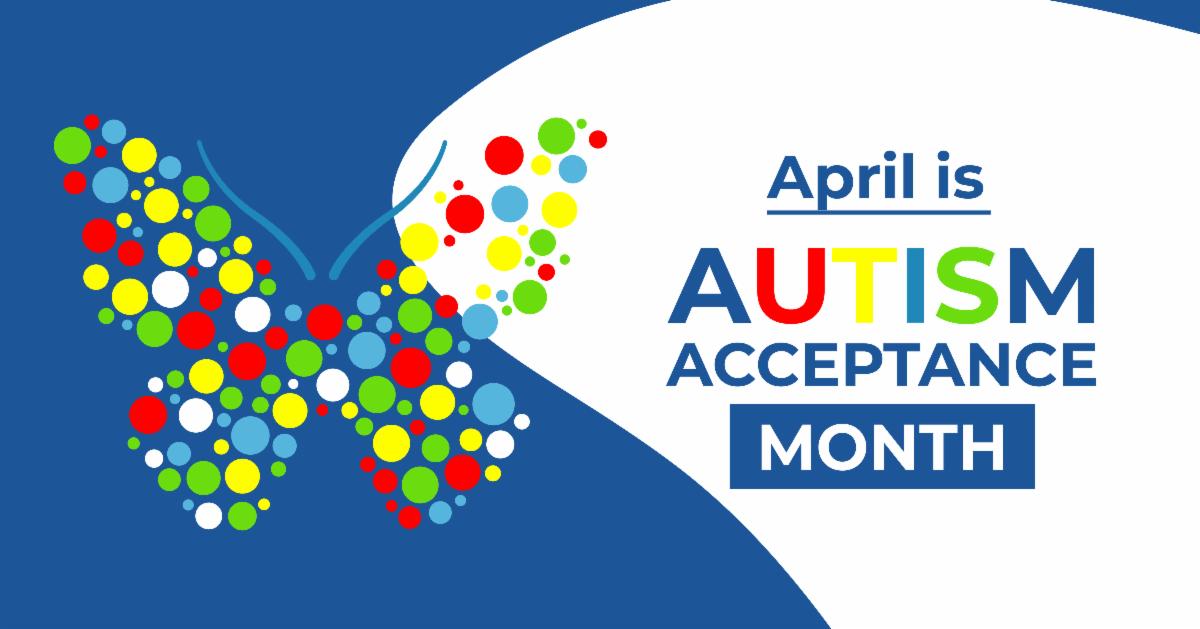
April is Autism Acceptance Month, a time to shift the conversation from simply knowing about autism to creating spaces where autistic individuals feel valued, supported, and included. In the United States, the Centers for Disease Control and Prevention (CDC) define, autism spectrum disorder (ASD) is a developmental disability that affects people in different ways, influencing how they communicate, interact, and experience the world.

A recent Calm blog shared several ways to create awareness and acceptance about autism; two stood out to me:
- create sensory friendly spaces and
- practice clear and patient communication.
Sensory friendly spaces seek to lessen the impact of environmental stressors such as bright lights, loud noises, and strong smells. Clear and patient communication reminds us that communication involves more than talking. Allowing autistic persons, the space to communicate in a multitude of ways including oral, written, music, and art, shows a respect for different communication styles without judgement.
Autism Acceptance Month is a great reminder that small actions can have a meaningful impact. Sharing accurate information, using respectful language, and promoting inclusive practices at work or in the community all help move acceptance forward. The CDC also offers practical, easy‑to‑use resources including a toolkit Autism Partner Toolkit | Autism Spectrum Disorder (ASD) | CDC that can be used educate everyone about Autism.
Most importantly, autism acceptance isn’t limited to one month. It’s about building environments where people with autism are supported at school, at work, and in daily life, every day of the year.